
.jpg?rev=CC66)
.jpg?rev=B794)
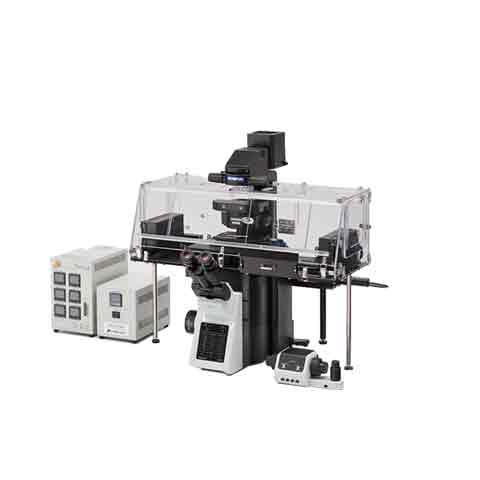
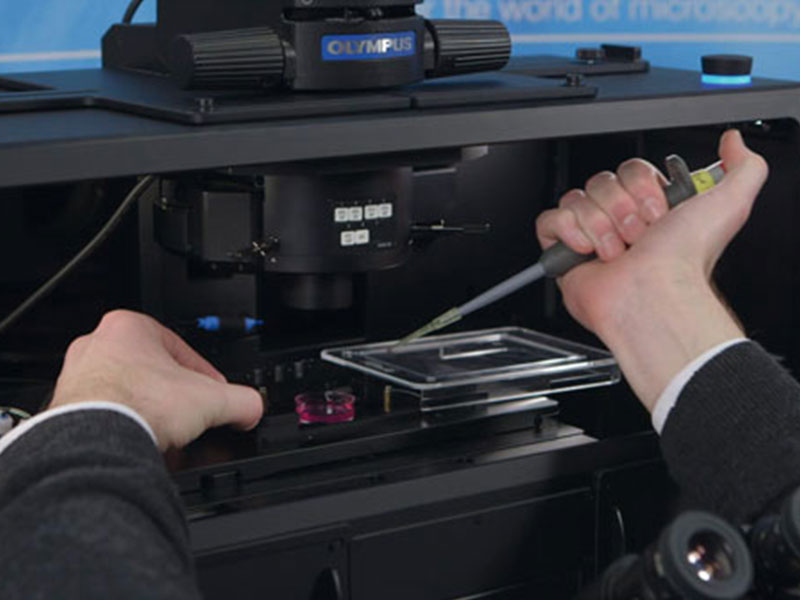 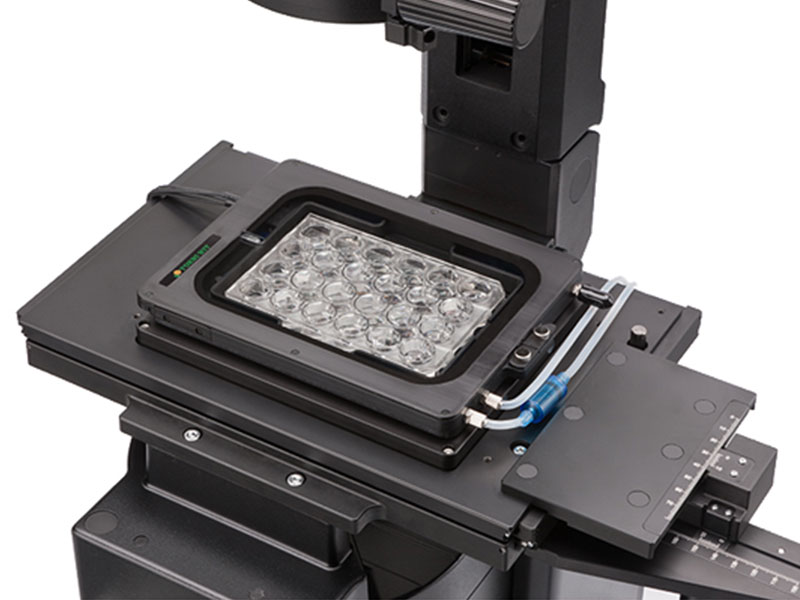 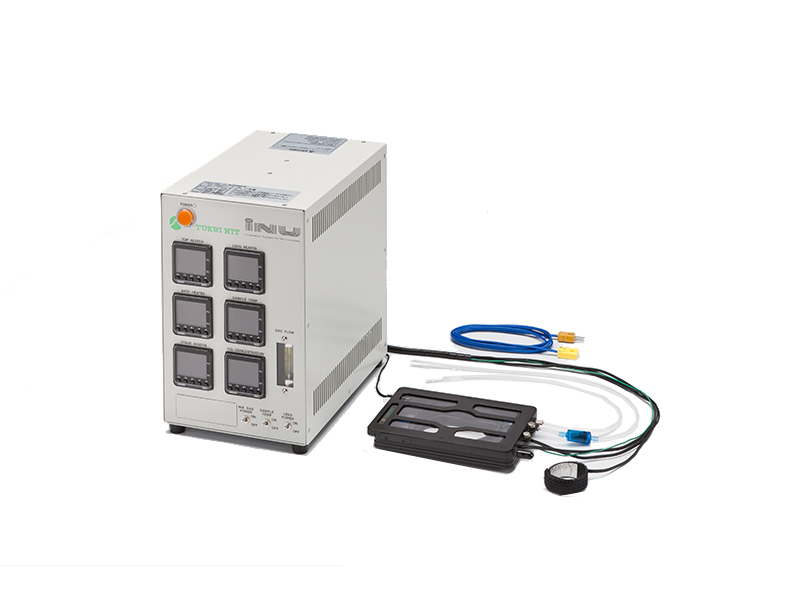 | ENVIRONMENTAL CONTROL FOR LIVE SAMPLESMaintain Cell Health Over Several DaysBox-type incubator* enables time-lapse observations over a period of several days, while the microscope CO2 incubator* can be fitted to the stage for two-day time-lapse observations, maintaining cell activity to significantly improve the reliability of time-lapse observation. CO2 Stage Top Incubator*Precise controls maintain a constant environment, with the dish or well plate controlling temperature, humidity, and CO2 concentration. Incubator*A box-type incubator* keeps the microscope temperature stable while safely enclosing many components. *Third-party products. |
|---|
HIGHLY-STABLE ENVIRONMENTAL CONTROLIn this SelectScience Interview, Jutta Bulkescher, Microscopy Specialist at the Center for Protein Research/Danish Stem Cell Center, University of Copenhagen, describes the wide range of research conducted at her facility and explains how the Olympus cellVivo incubation system is enabling her to reliably perform stem cell analysis, whilst maintaining cells under strict physiological conditions. |
IMAGING STABILITYThe frame architecture and focus drive design of the IX83 system offer enhanced rigidity that reduces the impact of vibration and temperature. It maintains desired positions along the X, Y, and Z axes to facilitate reliable time-lapse and multipoint imaging. When combined with the Olympus ultrasonic stage (IX3-SSU) and Z-drift compensator (IX3-ZDC2), the IX83 microscope can capture high-precision, multipoint time-lapse images that are aligned and in focus. |
|---|
LIVE CELL IMAGINGThe optional Olympus Silicone oil immersion objectives enable optimal imaging of living cells over time. The refractive index of silicone oil (ne≈1.40) is close to that of living tissue (ne≈1.38), enabling high-resolution observation deep inside living tissue with reduced spherical aberration caused by refractive index mismatch. Silicone oil does not dry out or harden, so there is no need to add more oil, making it ideal for extended time-lapse observations. | 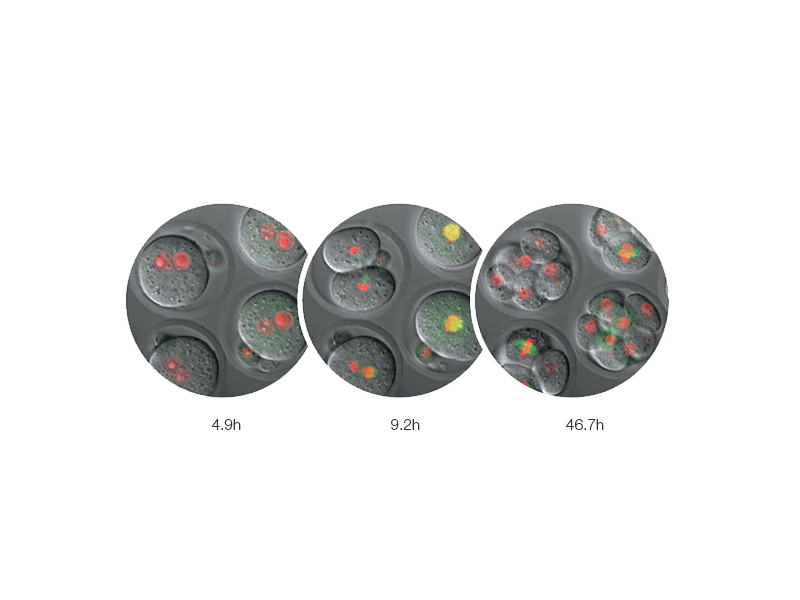  |
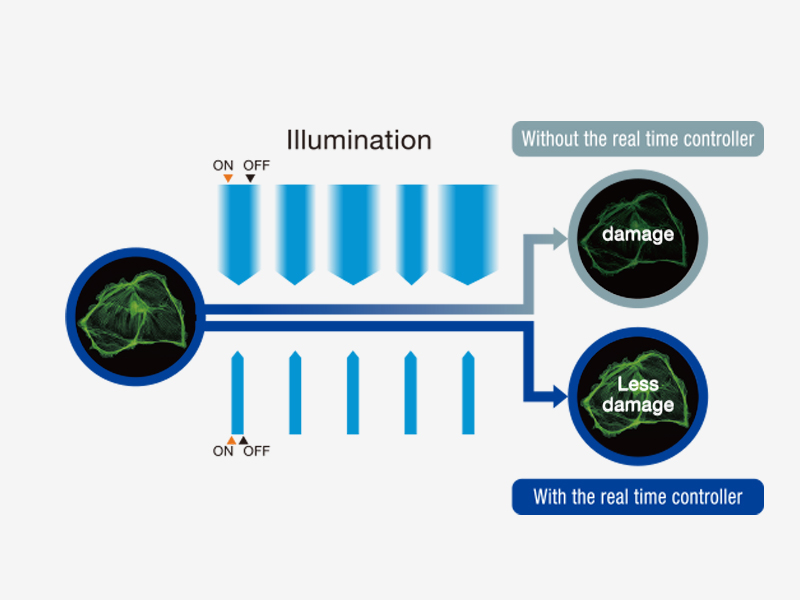 | FAST, MICROSECOND-ACCURATE DEVICESThe fast filter wheel, shutter, LED light source control, and real-time controllers (U-RTC) enable less photobleaching and phototoxicity, therefore resulting in healthier cells and more robust data. |
|---|
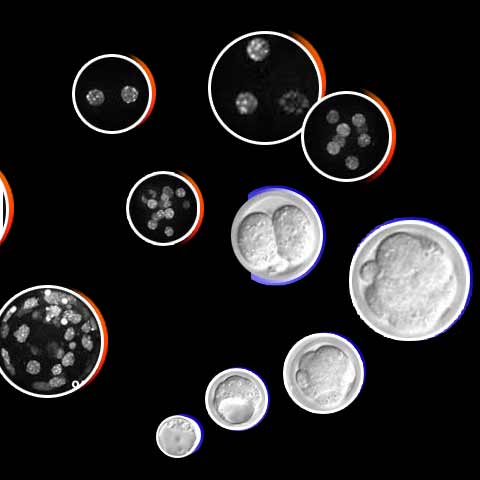
TRACKINGPrecise tracking experiments are possible with cellSens tracking and count & measure solutions. | 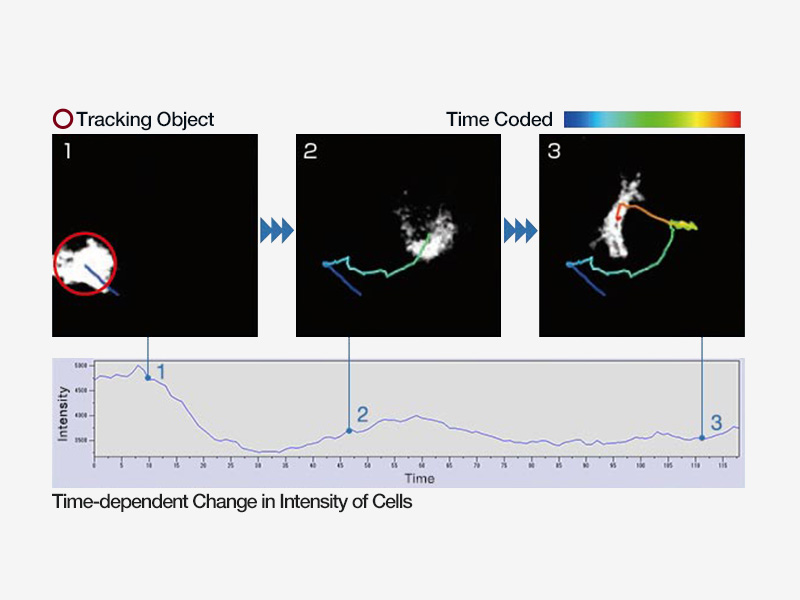 |
 | RAPID DECONVOLUTIONOlympus cellSens Dimension includes live 2D deblurring for live preview and acquisition, to enable better focusing on thick specimens. In addition, more advanced 3D deconvolution techniques are available to reassign out-of-focus light. The optional CI deconvolution solution employs a constrained iterative deconvolution algorithm to produce improved resolution, contrast, and dynamic range with industry-leading high speed by using GPU processing. |
|---|
LARGE FIELD OF VIEWThe large field of view Olympus optics, including mirror units and fly-eye lens systems, provide uniform fluorescence images and enable the use of sCMOS cameras with large sensors. | 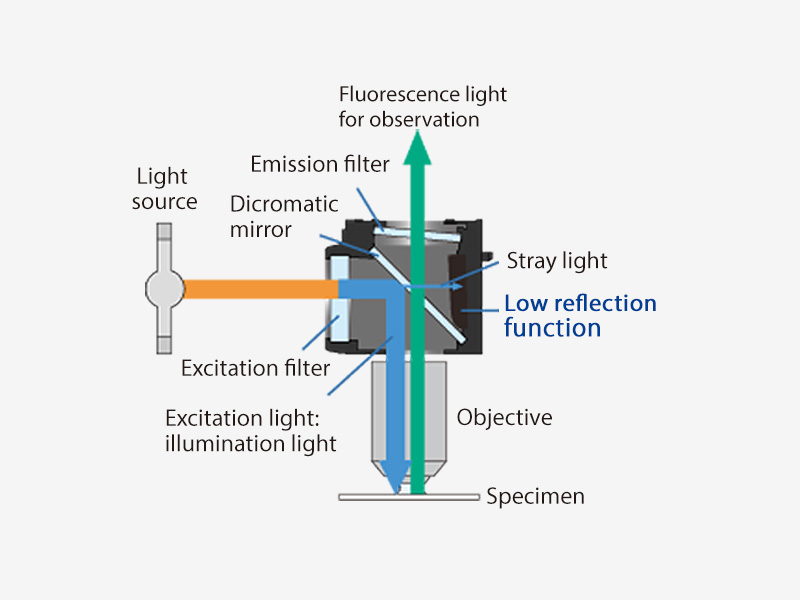 .jpg?rev=7CEC) |
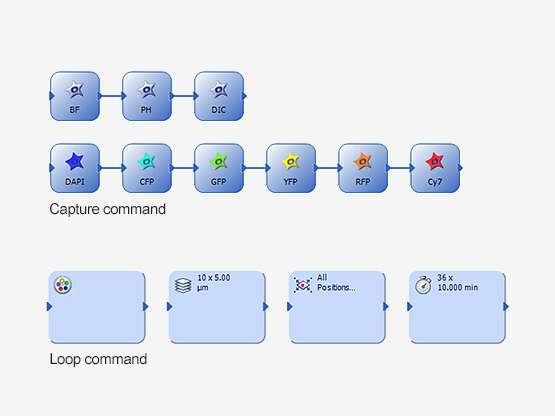 | EASE OF USEFully automated multi-dimensional observation (X, Y, Z, T, wavelength, and positions) with easy experiment set up using the Graphical Experimental Manager (GEM) in cellSens Dimension imaging software. |
|---|
Resources
Nothing matches your criteria.
References
S. Wakayama, et al. Chemical labelling for visualizing native AMPA receptors in live neurons. Nature Communications (April 7, 2017).
S. N. Cullati, et al. A bifurcated signaling cascade of NIMA-related kinases controls distinct kinesins in anaphase. The Journal of Cell Biology (June 19, 2017).
L. Gheghiani, et al. PLK1 activation in late G2 sets up commitment to mitosis. Cell Reports (June 6, 2017).
D. Nakane and T. Nishizaka, et al. Asymmetric distribution of type IV pili triggered by directional light in unicellular cyanobacteria. PNAS (June 5, 2017).
T. A. Redchuk, et al. Near-infrared optogenetic pair for protein regulation and spectral multiplexing. Nature Chemical Biology (March 27, 2017).
S. Barzilai, et al. Leukocytes breach endothelial barriers by insertion of nuclear lobes and disassembly of endothelial actin filaments. Cell Reports (January 17, 2017).
J. Humphries, et al. Species-independent attraction to biofilms through electrical signaling. Cell (January 12, 2017).
A. Prindle, et al. Ion channels enable electrical communication in bacterial communities. Nature (October 21, 2015).
K. G. Harris, et al. RIP3 regulates autophagy and promotes coxsackievirus B3 infection of intestinal epithelial cells. Cell Host & Microbe (August 13, 2015).
Other Systems
|
|
|
|
|
|

Sorry, this page is not
available in your country.
Sorry, this page is not
available in your country.