

Polarized Light Digital Image Gallery
Digital Image Gallery - Polarized Light
Polarized light microscopy is a contrast-enhancing technique that may be utilized for both quantitative and qualitative analysis of optically anisotropic specimens. In order for polarized light microscopes to reveal details that are poorly observed using traditional microscopy techniques, they must be equipped with a polarizer positioned in the light path before the specimen and an analyzer in the optical pathway between the observation tubes or camera port and the objective rear aperture. It is then the interaction of plane-polarized light with a birefringent specimen that results in image contrast. More specifically, this interaction produces two individual wave components with different velocities that fluctuate with the propagation direction through the specimen and that are each polarized in mutually perpendicular planes. When the light components pass through the specimen, they undergo phase alterations, but are eventually recombined with constructive and destructive interference when they pass through the analyzer.
Chemical Crystals
Chemical compounds can exist in three basic phases: gaseous, liquid, or solid. In gaseous form, chemicals are comprised of weakly bonded atoms that are able to expand to fill any available space. Liquids, however, are slightly more structured than gases, the component parts that comprise them moving freely among themselves, but tending not to disperse and separate from one another. Solid compounds, which exhibit strong atomic bonding, are the most structured type of chemicals, featuring a rigid shape and a definite volume. Furthermore, many solids exist naturally as crystals, their atoms displaying distinct three-dimensional geometrical patterns. Advances in science and technology have also made it possible to create a tremendous array of artificial crystals in the laboratory, a feat that has many important commercial and industrial applications
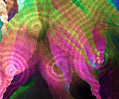
Acetaminophen
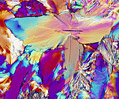
Ampicillin
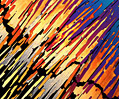
Anthranilic Acid
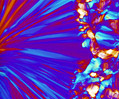
Atropine
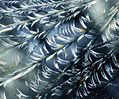
AZT
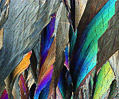
Benzeneboronic Acid
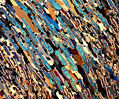
Beta-Carotene
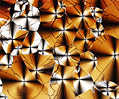
Biotin
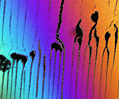
Caffeine
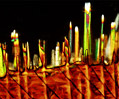
Chloroisatin
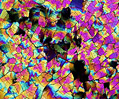
Cholesterol
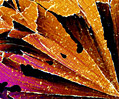
Clozaril
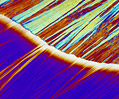
DDC
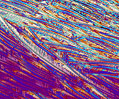
DDI
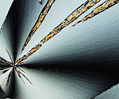
DDT
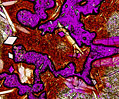
Dimethoxyhydroxycinnamic
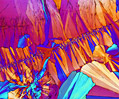
Ephedrine
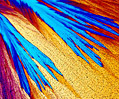
Erythromycin
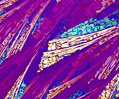
Estrone
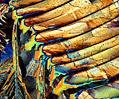
Folic Acid
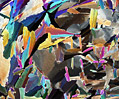
Glutamic Acid
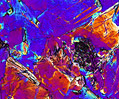
Glutaric Acid
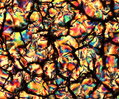
Liquid Crystalline DNA
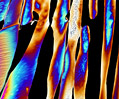
Malonic Acid
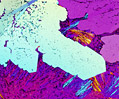
Miconazole
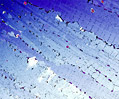
Mycostatin
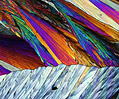
Naphthaleneboronic
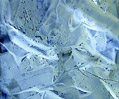
Nicotine
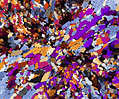
Nicotinic Acid
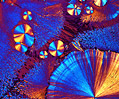
Pantothenic Acid
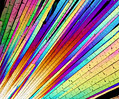
PABA
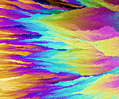
Progesterone
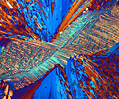
Retinoic Acid
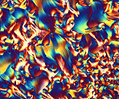
Riboflavin
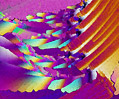
Succinimide
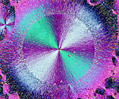
Tacrine
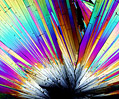
Taxol
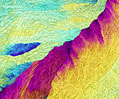
Testosterone
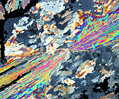
Chemical Crystal
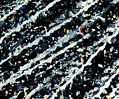
Urea
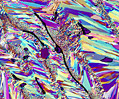
Uridine

Viagra
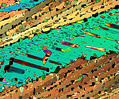
Vitamin B6
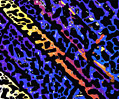
Vitamin B12
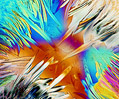
Vitamin C
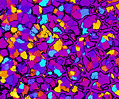
Vitamin D
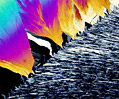
Vitamin E
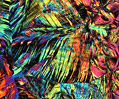
Vitamin K3
Fibers
Natural fibers may be derived from many sources, including animals, vegetables, and minerals. The use of such fibers extends back beyond recorded history, archaeological evidence indicating that wool and flax had begun being woven into fabrics by the sixth century BC. Man-made fibers, however, which are fibers chemically and structurally altered to an appreciable extent during their production, were not developed until after the Industrial Revolution. The earliest of these fibers, including rayon and acetate, were comprised of the same cellulose polymers found in many natural fibers, though in a drastically modified form. Later man-made fibers, such as nylon and polypropylene, were created through purely artificial means and came to be classed in a separate category of fibers known as synthetics.

Acetate Fibers

Silk Fiber
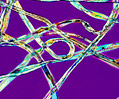
Cotton Fibers
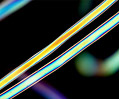
Cuprammonium

Flax Fibers
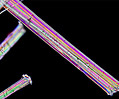
Hemp Fibers

Kenaf Bast
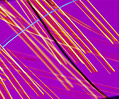
Milkweed Fibers
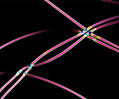
Nylon Fibers
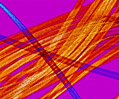
Orlon Fibers
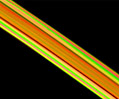
Polybenzimidazole
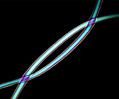
Polypropylene
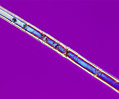
Ramie Fiber
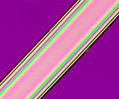
Saran Fiber
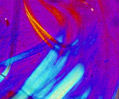
Short Asbestos
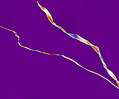
Silver Cotton
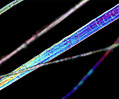
Silver Ramie
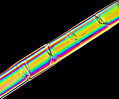
Spectra 1000
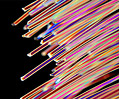
Tencel Fibers

Thrown Raw Silk
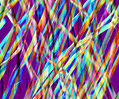
Wild Silk Fibers
Hairs
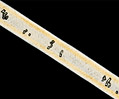
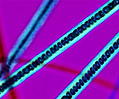
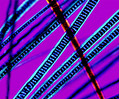
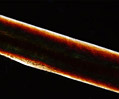
Hair is a characteristic attribute of mammals. The primary purpose of the epidermal outgrowth is to provide insulation from the cold. Thus, animals inhabiting colder climes typically are covered in thicker masses of hair, often referred to as a coat or wool, than those native to warmer regions. Humans, who have little need for extra protection from the cold due to the development of clothing, are among the least hairy mammals. Indeed, humans have been intricately involved in increasing the hair growth of certain other animals in order to make them more productive contributors to the fur and textiles industries, further decreasing the necessity of human hair. Through selective breeding efforts, the output and quality of hair produced by sheep, goats, rabbits, and a wide array of other animals has been drastically improved for human purposes.
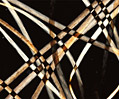
Alaskan Seal
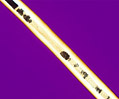
Alpaca
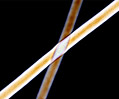
Angora Goat Hair
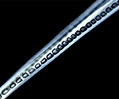
Angora Rabbit Wool
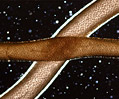
Antelope Hair
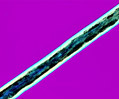
Baby Caracul Hair
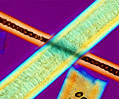
Badger Hair
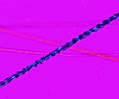
Bat Hair
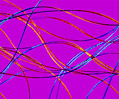
Beaver Hair
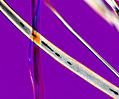
Camel Down
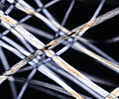
Cashmere

Cat Hair

Chinchilla Hair
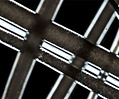
Chinese Gray Kid
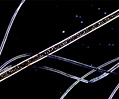
Chipmunk Hair

Civet Hair
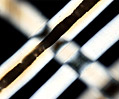
Cow Hair
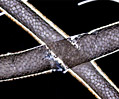
Deer Hair
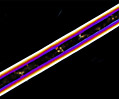
Dog Hair
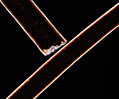
Elk Hair
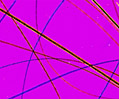
Ermine Hair
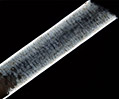
Goat Hair
Groundhog Hair
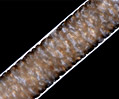
Guinea Pig Hair

Horse Hair
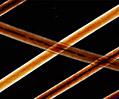
Human Hair

Japanese Pony Belly
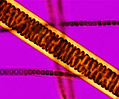
Kolinsky Hair
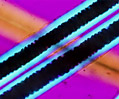
Leopard Hair
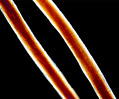
Lincoln Sheep

Llama Hair
Marmot Hair

Merino Wool
Mink Hair
Mole Hair
Monkey Hair
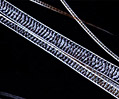
Mouse Hair
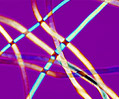
Mouton Lamb
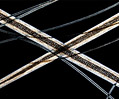
Muskrat Hair
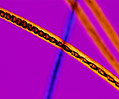
Nutria Hair

Ocelot Hair
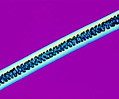
Opossum Hair
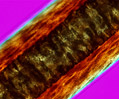
Otter Hair
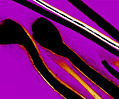
Persian Lamb
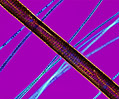
Rabbit Hair
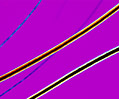
Raccoon Hair
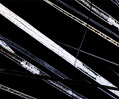
Rat Hair
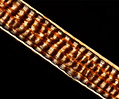
Russian Cony
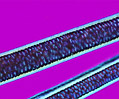
Sable Hair
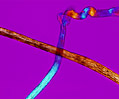
Scoured Sheep Wool
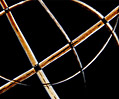
Sheep Wool Felt
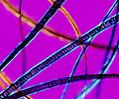
Silver Fox
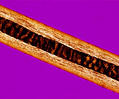
Skunk Hair
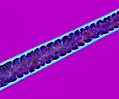
Squirrel Hair
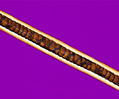
Timber Wolf Hair
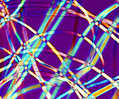
Wool
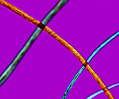
Yak Down
Rocks and Minerals
Minerals are naturally occurring substances of inorganic origin that have a definite chemical composition and usually exhibit a crystalline structure. Plants and animals require a wide variety of minerals in order to survive on a daily basis. Minerals are also important, however, as the basic building blocks of rocks, which comprise the solid portion of the Earth and other planets. Rocks are formed through various means and are usually broadly categorized based on this fundamental characteristic. More precisely, igneous rocks are those that have solidified from magma, sedimentary rocks are those that have formed from fragments, or sediments, of other rocks, and metamorphic rocks are produced via the alteration of igneous or sedimentary rocks.
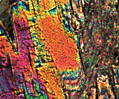
Actinolite Schist
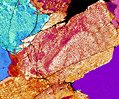
Alkalic Granite
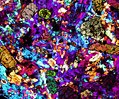
Alkalic Syenite
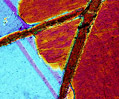
Amphibolite
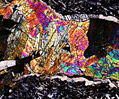
Amygdaloidal
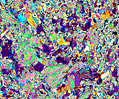
Anhydrite
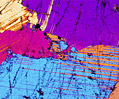
Anorthosite
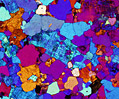
Aplite
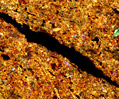
Arenaceous Shale
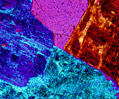
Arfvedsonite Granite
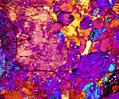
Arkose
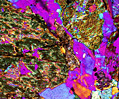
Augen Gneiss
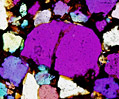
Banded Sandstone
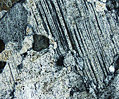
Barite
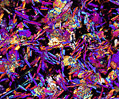
Basalt
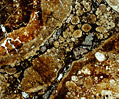
Bauxite
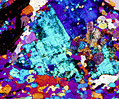
Biotite
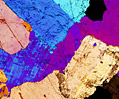
Biotite Hornblende
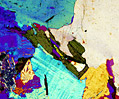
Biotite in Granite
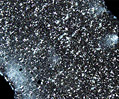
Bituminous Coal
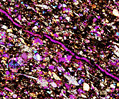
Bituminous Shale
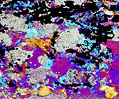
Breccia Marble
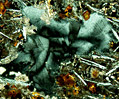
Camptonite
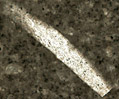
Chalk
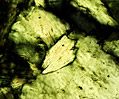
Chlorite Schist
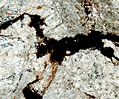
Chocolate Marble
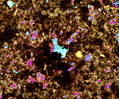
Clay Ironstone
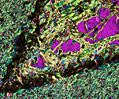
Clay Ironstone
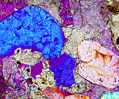
Coquina

Cordierite
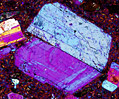
Dacite
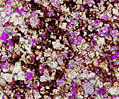
Diffusion Dolomite
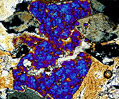
Diopside Gneiss
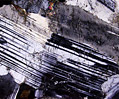
Diorite
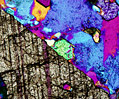
Diorite Gneiss
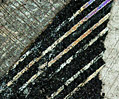
Dolomite Marble
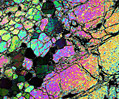
Dunite
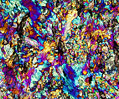
Eclogite
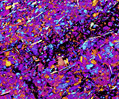
Ferruginous Argillite
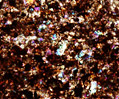
Ferruginous Shale
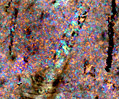
Flint
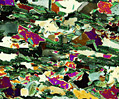
Fuchsite
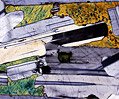
Gabbro
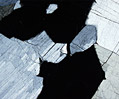
Garnet Wollastonite
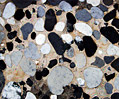
Glauconite
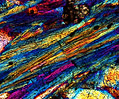
Glaucophane Schist
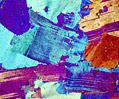
Granitoid Gneiss
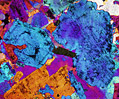
Granodiorite
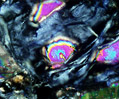
Graphitic Marble
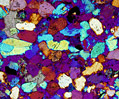
Gray Sandstone
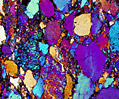
Graywacke
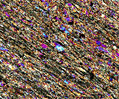
Green Slate
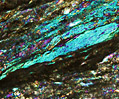
Greenstone
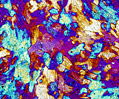
Gypsum
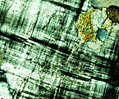
Hedenbergite
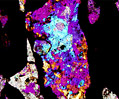
Hematite
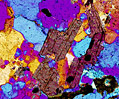
Hornblende Gneiss
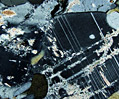
Hornblende Schist
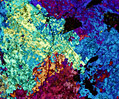
Hornblende Syenite
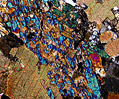
Ijolite
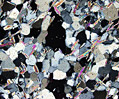
Kyanite Quartzite
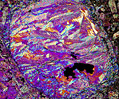
Lamproite
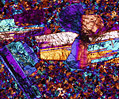
Latite Porphyry
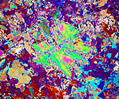
Lepidolite
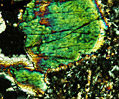
Leucite Nepheline
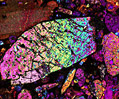
Malignite
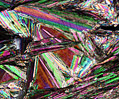
Margarite
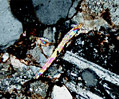
Micaceous
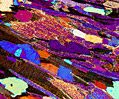
Mica Schist
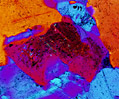
Micropegmatite
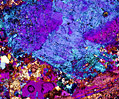
Monzonite
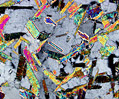
Muscovite
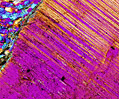
Mylonite
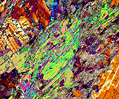
Nepheline
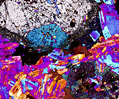
Norite
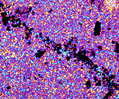
Novaculite
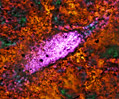
Obsidian Snowflake
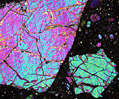
Olivine Basalt
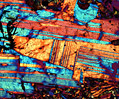
Olivine Pyroxene
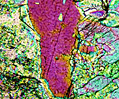
Orbicular Diorite
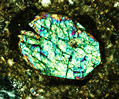
Peperino Tuff
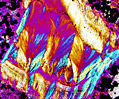
Peridotite
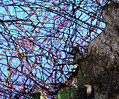
Phlogopite
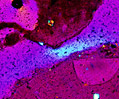
Phosphorite
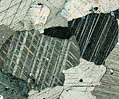
Pink Marble
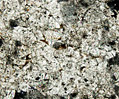
Potosi Dolomite
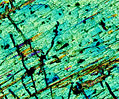
Pyroxenite
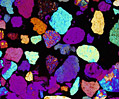
Quartz Conglomerate
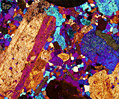
Quartz Monzonite
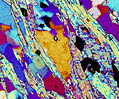
Quartz-Sericite
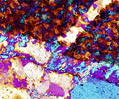
Quartzite Jasper
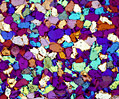
Red Sandstone
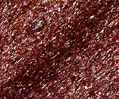
Red Slate
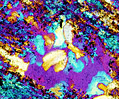
Rhyolite Flow
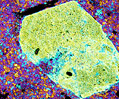
Rhyolite Porphyry
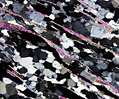
Sericite
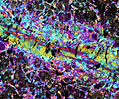
Serpentinite
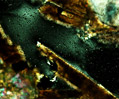
Shonkinite
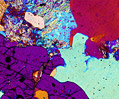
Sillimanite
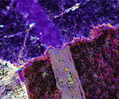
Soapstone
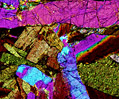
Sodalite Syenite
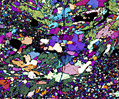
Staurolite Quartzite
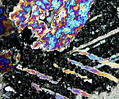
Tactite Skarn
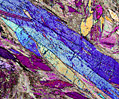
Talc-Tremolite
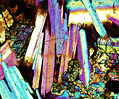
Tholeiitic Basalt
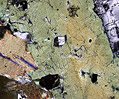
Tonalite
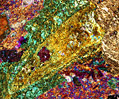
Trachyte Porphyry
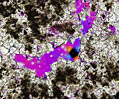
Travertine
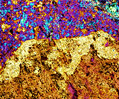
Tuff
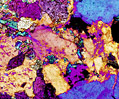
Unakite
Variegated Dolomite
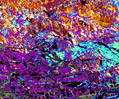
Verde Antique
Volcanic Ash
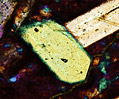
Volcanic Sandstone
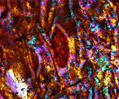
Welded Tuff
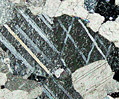
White Marble
Miscellaneous
In addition to chemical crystals, fibers, hairs, rocks, and minerals, a number of other types of specimen may benefit from observation through polarized light microscopy. The technique, for instance, readily reveals the striations present in many fish scales and samples of human muscle tissue, as well as the structural details of fossilized dinosaur bones. Utilization of polarized light microscopy can also reveal important information regarding harmful insects and parasites that afflict humans and other animals, such as the biting louse and the whipworm.
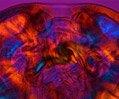
Canine Biting Louse
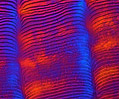
Ctenoid Fish
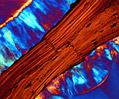
Dinosaur Bone
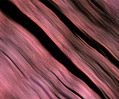
Human Muscle
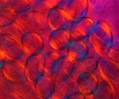
Human Whipworm
对不起,此内容在您的国家不适用。